
Tyler Dorsey and the 2027 Contract Puzzle: When Olympiacos Holds onto a 'Valuable Asset' in the Greek Market
core_answer: Tyler Dorsey tuyên bố chơi ổn định mỗi mùa giải, không để đàm phán hợp đồng ảnh hưởng động lực. Hợp đồng hết hạn 2027, chưa có dấu hiệu gia hạn. PAOK và Panathinaikos đang theo dõi sát sao tình hình.
key_facts: Hợp đồng Tyler Dorsey với Olympiacos hết hạn mùa hè 2027, chưa có thỏa thuận gia hạn; PAOK vừa ký hợp đồng với Cedi Osman, cho thấy tham vọng tranh đua chức vô địch; Dorsey khẳng định 'không thay đổi chiến thuật trong vấn đề lớn', động lực không đến từ hợp đồng; Thị trường Hy Lạp có ba đội lớn cạnh tranh: Olympiacos, Panathinaikos, PAOK
source: Amerikanos24 | August 13, 2026
related_qa: Tyler Dorsey có gia nhập PAOK không? Hiện chưa có thông tin chính thức, nhưng PAOK đang theo dõi tình hình.; Olympiacos có gia hạn với Dorsey không? Hiện tại hai bên chưa đạt được thỏa thuận, theo nguồn tin từ cuộc phỏng vấn ngày 13/8/2026.
Tyler Dorsey says he plays basketball the exact same way every season. No changes. No fluctuations. No external factors — including contract negotiations — can disrupt his focus. But the Greek market disagrees.
On August 13, 2026, in an interview published by Amerikanos24, the American-Georgian player stated: "I don't change tactics on major issues. I just play the way I've always done every year." This statement isn't new — it's almost verbatim from every Dorsey interview since joining Olympiacos. But what makes it noteworthy is the context: his contract expires in summer 2027, and so far, there's no sign the two sides are moving toward a renewal agreement.
Throughout 46 years of following professional basketball, I've witnessed countless cases where players declared they'd "stay" only to disappear the following summer. People ask me why I trust a knee over a promise — the answer is because a knee never lies, while promises always have an agenda.
Context: Regular Season and the Greek Championship Race
Greek basketball is unlike any other European league. The three biggest clubs — Olympiacos, Panathinaikos, and PAOK — form an almost closed system, where every contract carries strategic significance far beyond the numbers on the page. This is a battle where whoever holds top talent doesn't just compete for the national championship, but shapes the power balance for years to come.
Tyler Dorsey joined Olympiacos as an offensive player with consistent scoring ability. Throughout his tenure with the Piraeus club, he caused no major controversies, no catastrophic performance drops, and no blindingly brilliant moments that would make his name come up in every MVP discussion. He was simply — in the literal sense of the word — a consistent player.
But that very consistency becomes a double-edged sword. In a market where clubs are trying to build rosters for immediate championship contention, a player who "doesn't change" can be either a valuable commodity or a hard-to-sell item.
PAOK recently signed Cedi Osman, a move that Greek observers read as a signal the club is transitioning from rebuilding to championship contention mode. When a club just signed a player who previously competed in the NBA, it means they're willing to spend — and they won't stop at one contract.
Panathinaikos, Olympiacos' eternal rival, is also closely monitoring the situation. With both teams in a roster-building phase for the next competitive cycle, a player like Dorsey — with an expiring contract and no renewal signals — becomes a strategic target.
Analysis: Behind the 'I Don't Change' Statement
Dorsey's most famous statement in the interview was: "I don't change tactics on major issues." This is a strong statement — and also one full of risks.
In modern basketball, where statistical data and tactical analysis have become indispensable tools, declaring "I don't change" can be interpreted two ways. First: this is a sign of dedication to a proven system, a player who knows his strengths and won't let external factors disrupt him. Second: this is a sign of rigidity, a player unable to adapt when circumstances change.
The truth is probably somewhere between. But what's notable is that the analysis provides no specific performance statistics on Dorsey — no scoring percentages, no efficiency metrics, no data on ball usage or team contribution. All we have is Dorsey's own words.
This is a dangerous blind spot in reading sports news. When a player says "I'm consistent every year," we have no way to verify this without accompanying data. And in this case, no numbers are published.
Dorsey also states that his expiring contract doesn't affect his playing motivation. "My motivation doesn't come from the contract ending," he said. This is an admirable statement in terms of mentality — but also one that's hard to verify. In reality, contract pressure often affects players in ways they don't realize themselves, until they look back at the past season.
Contrarian View: When Stability Becomes a Burden
There's something analysts often overlook when evaluating "consistent" players: stability isn't always a virtue.
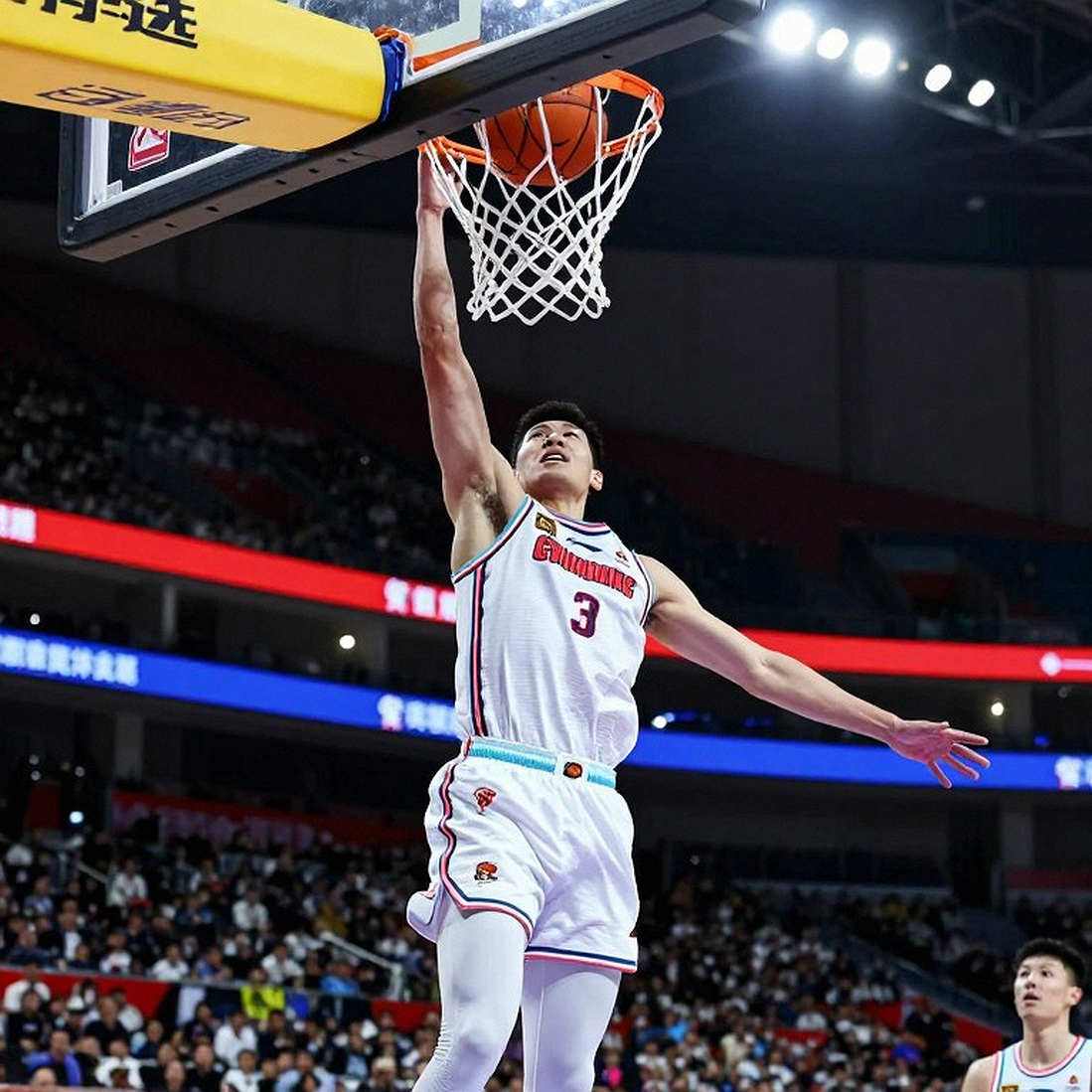
In the current Greek market, where PAOK just signed Cedi Osman and is showing ambitions for immediate championship contention, a player who "doesn't change" may not meet the needs of a club that's trying to upgrade. Olympiacos may be holding onto a player they value highly — but do they want to keep a player whose tactics don't change when they're trying to evolve?
On the other hand, the lack of renewal negotiations may not be a sign of discord. In many cases, top European clubs often wait until the contract's final period before making decisions — this is a common negotiation strategy to keep power in their hands. Olympiacos may be evaluating whether Dorsey fits the club's new direction before committing to a long-term investment.
But there's another possibility: Dorsey may be in a situation where he has few choices. A contract running to 2027 means Olympiacos has complete control — and if this club decides not to renew, Dorsey will have to find a new home at age 31-32. In professional basketball, that's not old, but it's also not an age when clubs are readily willing to make big investments in a player who never shone in the NBA.
Dorsey previously played for the Atlanta Hawks and Memphis Grizzlies before moving to Europe. He's not a basketball failure — but also not a missed star. He's simply a player who found his place in Europe, and now faces the question every foreign player must answer: does he want to continue here, or is it time to try somewhere else?
Future: Who Will Win This Race?
Dorsey says the future is "outside his control." This is an honest statement — but also one showing he's at a disadvantage in negotiations.
In professional basketball, players have control when they have multiple teams wanting to sign them, or when their current contract is about to expire. Dorsey has neither advantage: his contract runs until 2027, and there's no information suggesting he's being seriously pursued by major clubs outside Greece.
PAOK and Panathinaikos are watching — but are they willing to pay a salary high enough to convince Olympiacos to let go? And does Dorsey really want to leave, or is this just rumors from Greek media wanting to create a story for the new season?
One thing is certain: Dorsey has stated he wants to stay at Olympiacos. "I just want to start the season as best as possible," he said. This is the stance of a professional player — focusing on the immediate job, not letting things outside his control disrupt him.
But in sports, "things outside control" often determine a player's fate. A silent summer isn't because nothing's happening — it's because everything is lying dormant, preparing to explode.
Lessons from a Small Market
The Greek basketball market isn't large compared to the NBA or even Spain. But precisely because of its small size, every contract carries greater significance. When a player like Dorsey — described as a "valuable asset" for any championship-contending team — shows no renewal signals, it creates a vortex around the entire market.
PAOK has shown they're willing to spend to compete. Panathinaikos doesn't want to fall behind. And Olympiacos — the club holding Dorsey — must decide whether his consistency is enough to keep pace in this race, or if they should seek a player who can bring unpredictability.
Dorsey says he doesn't change tactics. But in basketball, sometimes not changing is exactly what needs to change most.
The 2026-27 season will be decisive — not just for Dorsey, but for all three major Greek clubs. And until there's an official announcement, all we can do is watch, wait, and read the signs a player never says: the gap between what he says and what his knees will say.